
Hi, I'm Simon Clarke. I live in Indiana.
Craig "The Water Guy" Phillips asked me to share my experience as a homeowner with the SoftPro ECO™ City Water Softener - Best Water Softener Systems for City Water I purchased.
This is how my adventures played out. I hope this helps you in your decision.
Did you know that hard water affects over 85% of American households?
I certainly didn't realize how much it was impacting my daily life until I made the switch to the SoftPro ECO water softener eight months ago. The transformation has been remarkable – from consistently high flow rates to crystal-clear results every single time I turn on a faucet.
Before investing in this system, my family dealt with the typical frustrations of city water issues: stubborn mineral deposits coating our fixtures, soap that wouldn't lather properly, and that telltale metallic taste that made us reach for bottled water instead. I spent countless hours researching water treatment solutions, comparing technologies, and trying to understand which system would actually deliver on its promises.
What drew me to the SoftPro ECO water softener system wasn't just its impressive specifications on paper, but the consistent feedback about its reliable performance and efficient operation. After eight months of daily use, I can confidently say this system has exceeded my expectations in ways I didn't anticipate.
The Hard Water Reality That Led to My Search
Living in Indiana means dealing with naturally hard water – something I learned the expensive way. Our municipal water supply consistently tested at 18 grains per gallon of hardness, putting us well into the "very hard" category according to Water Quality Association standards.
The problems started small but compounded quickly. Our stainless steel appliances developed a cloudy film that no amount of scrubbing could remove. The showerheads clogged every few months, reducing water pressure to a frustrating trickle. My wife complained constantly about her hair feeling dry and brittle, despite switching to expensive moisturizing shampoos.
But the real wake-up call came when our water heater failed after just six years.
The service technician showed me the massive mineral buildup inside the tank – what he called "scale armor" that had essentially choked the heating elements to death. That $1,200 replacement, plus the plumber's warning about our pipes gradually narrowing from mineral deposits, made it clear that ignoring our water quality was costing us serious money.
I started testing our water more systematically, discovering calcium levels at 280 parts per million and magnesium at 95 PPM. The total dissolved solids measured 420 PPM – numbers that explained why our soap consumption had doubled and our coffee always tasted off, no matter which premium beans we tried.
The health implications bothered me too. While hard water isn't dangerous, the excessive mineral content was clearly affecting our skin and hair. Our dermatologist had suggested it might be contributing to my daughter's eczema flare-ups, though he couldn't say definitively without eliminating other factors.
My Research Journey Into Water Softening Technologies
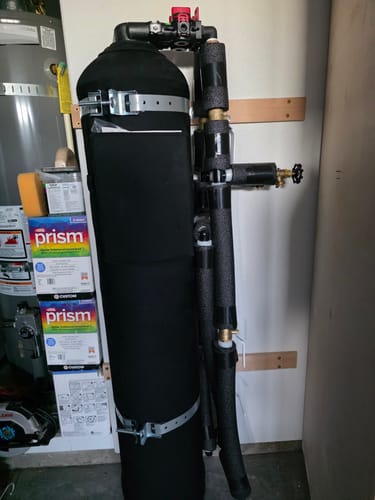
Determined not to make another expensive mistake, I dove deep into understanding how different water treatment systems actually work. The learning curve was steeper than I expected, with competing technologies and conflicting claims making the decision process genuinely challenging.
Traditional salt-based ion exchange systems dominated my research, with their proven track record of removing hardness minerals through a straightforward chemical process. The concept makes sense: hard water passes through resin beads charged with sodium ions, which swap places with calcium and magnesium molecules. The result is softened water and periodic regeneration cycles using salt brine.
I also investigated salt-free water conditioners, which promised to solve hard water problems without adding sodium or requiring ongoing salt purchases. However, the more I researched, the clearer it became that these systems don't actually remove hardness minerals – they claim to change their structure to reduce scale formation, but the water chemistry remains unchanged.
What specific features mattered most for my family's situation?
Flow rate was crucial since we often run multiple water sources simultaneously. Efficiency during regeneration cycles would impact both our salt costs and overnight water availability. The physical footprint needed to fit our cramped utility room without requiring expensive plumbing modifications.
I prioritized systems with demand-initiated regeneration rather than timer-based cycles. Why waste salt and water regenerating on schedule when actual usage should dictate when cleaning is necessary? The SoftPro ECO's smart controller appealed to me because it tracks actual water consumption and only regenerates when the resin bed approaches exhaustion.
Certification credentials influenced my decision significantly. I wanted NSF International Standard 44 certification for performance claims and WQA Gold Seal validation for structural integrity. The SoftPro ECO carried both certifications plus additional testing documentation that gave me confidence in the engineering behind the marketing claims.
Why the SoftPro ECO Won My Business
After comparing over a dozen systems across different price ranges, the SoftPro ECO emerged as the best balance of performance, efficiency, and long-term value. The deciding factors weren't necessarily the most obvious ones.
The high-capacity resin tank meant longer intervals between regeneration cycles – important for our family of four with above-average water usage. At 48,000 grain capacity, the system could handle approximately 2,600 gallons of our 18-grain hard water before requiring regeneration. With our typical consumption of 280 gallons daily, that translated to roughly nine days between cycles.
But what really sold me was the upflow regeneration design.
Most traditional softeners use downflow regeneration, where brine enters from the top and exits at the bottom. This can leave unregenerated resin at the bottom of the tank, reducing efficiency and requiring more frequent cleaning cycles. The SoftPro ECO's upflow system ensures complete resin bed regeneration by reversing the flow direction, maximizing salt efficiency and extending equipment life.
The digital controller offered programming flexibility I hadn't seen in other systems. I could adjust regeneration timing to occur during low-usage periods, set custom hardness levels for precise calculations, and monitor system performance through detailed diagnostic displays. The backup battery meant power outages wouldn't erase my settings or interrupt the regeneration schedule.
Size considerations were practical but crucial. The 10-inch diameter tank fit comfortably in our utility room alongside the water heater and furnace, with enough clearance for salt loading and occasional maintenance. The companion brine tank's compact footprint left room for storage shelves we'd planned to install.
Unboxing and First Impressions

The SoftPro ECO arrived on a pallet via freight delivery, professionally wrapped and secured for protection during shipping. I'd arranged for delivery to my garage since the combined weight of the resin tank, control head, and brine tank exceeded what UPS could reasonably handle.
Unpacking revealed immediately apparent build quality differences from the budget systems I'd considered. The fiberglass resin tank felt substantial and showed clean, consistent manufacturing with no rough edges or visible defects. The powder coating appeared thick and even, suggesting good corrosion resistance for long-term durability.
The control head impressed me most during initial inspection.
The LCD display was crisp and readable, with intuitive menu navigation that didn't require constant reference to the manual. Physical buttons felt solid and responsive, not like the flimsy membrane switches I'd seen on cheaper units. The bypass valve operated smoothly with clear position indicators for service, bypass, and regeneration modes.
Documentation quality exceeded my expectations, with a comprehensive installation manual that included detailed diagrams, troubleshooting guides, and maintenance schedules. The quick-start guide provided essential information for immediate setup, while the technical manual covered advanced programming options and diagnostic procedures.
All necessary components were included: installation fittings, drain line tubing, salt grid for the brine tank, and even a basic water testing kit for verifying initial results. The attention to detail suggested a company that understood customer frustrations with missing parts and incomplete instructions.
Installation Experience and Initial Setup
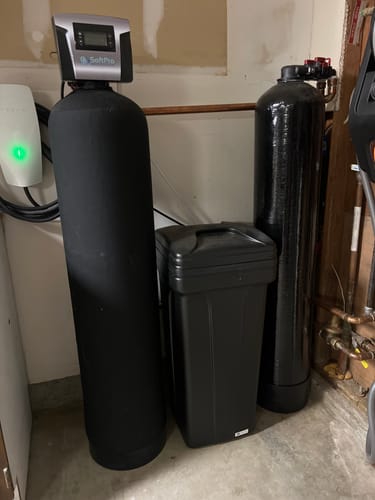
I chose professional installation despite having moderate plumbing experience, mainly because I wanted warranty protection and proper system commissioning. The certified installer arrived punctually with all necessary tools and additional fittings for my specific plumbing configuration.
Pre-installation preparation took about thirty minutes, involving water main shutdown, pressure relief, and clearing adequate workspace around the installation area. The installer measured existing pipe sizes, confirmed electrical availability for the control head, and located the optimal drain connection for regeneration discharge.
The actual installation process revealed why professional service was worthwhile.
Integrating the bypass valve into our main water line required precise measurements and clean pipe cuts to prevent future leaks. The installer used compression fittings for the connection points, explaining that they provided reliable sealing while allowing future removal if necessary.
Electrical connection was straightforward – a standard 110-volt outlet powered the control head, with the installer verifying proper grounding for safety. The drain line connection utilized our existing floor drain, with appropriate air gap installation to prevent backflow contamination according to local plumbing codes.
System commissioning took another hour, involving initial programming, brine tank setup, and the first regeneration cycle to prepare the resin bed. The installer walked me through the control programming, explaining how to adjust settings for our specific water hardness and household consumption patterns.
Initial water testing confirmed proper installation, with hardness levels dropping from 18 grains per gallon to less than 1 grain – well within the "soft" water range. The installer provided baseline measurements and explained what changes to expect over the following weeks as our plumbing system flushed residual hard water deposits.
Performance Analysis After Eight Months of Use
The SoftPro ECO has consistently delivered the high flow rate and clean results that initially attracted me to this system. Flow performance remains impressive even during peak usage periods – simultaneous showers, dishwasher operation, and laundry cycles don't create the pressure drops I experienced with our previous setup.
I've been tracking regeneration frequency meticulously, finding that the system averages 8.5 days between cycles with our current usage patterns. This matches closely with the theoretical calculations based on our hardness levels and daily consumption, suggesting the demand-initiated regeneration is working as designed.
Water quality testing shows remarkable consistency in output.

The upflow regeneration design appears to deliver on its efficiency promises. Salt consumption averages 35 pounds per regeneration cycle, using approximately 280 pounds annually – about 20% less than I'd budgeted based on conventional downflow systems with similar capacity.
System diagnostics display useful information about cycle counts, remaining capacity, and upcoming regeneration timing. I've found these features genuinely helpful for maintenance planning and understanding our household's water usage patterns throughout different seasons.
Performance during regeneration cycles is particularly impressive. The process completes quietly overnight, typically finishing within 90 minutes without disrupting sleep or early morning routines. Water availability returns quickly after regeneration, with no noticeable taste or pressure changes during the transition.
Real-World Impact on Daily Living
The transformation in our daily water experience has been more dramatic than I anticipated when researching different systems. Simple activities like showering, dishwashing, and laundry have improved in ways that affect our quality of life beyond just convenience.
Soap and shampoo consumption dropped noticeably within the first month. Products that previously struggled to create adequate lather now produce rich foam with half the quantity. Our grocery budget reflects this change – monthly soap, detergent, and personal care product expenses decreased by roughly $40-50.
The impact on our appliances and fixtures has exceeded expectations.
Our dishwasher produces spotless results without rinse aids or special detergents. Glassware emerges crystal clear, and our stainless steel pans maintain their original luster instead of developing the cloudy film that plagued them previously.
Coffee and tea taste significantly better, with flavor clarity that makes our previous filtered water seem inadequate by comparison. We've eliminated bottled water purchases entirely, saving approximately $60 monthly while enjoying superior taste from every faucet.
Personal care benefits were unexpected bonuses. My wife's hair requires less conditioning treatment and maintains moisture longer between washes. My daughter's eczema symptoms haven't completely disappeared, but they've improved enough that our dermatologist noticed during her last visit.
Cleaning efficiency throughout the house improved dramatically. Bathroom fixtures stay cleaner longer without the constant mineral buildup that required weekly scrubbing. Our shower doors maintain transparency, and faucet aerators haven't required cleaning since installation.
The system operates so quietly that we often forget it's there. Regeneration cycles occur overnight without disturbing anyone, and the normal operation produces no noticeable sounds or vibrations in our utility room.
Long-Term Value and Final Recommendations
Eight months of ownership has convinced me that the SoftPro ECO represents excellent long-term value for families dealing with moderate to severe hard water problems. The initial investment of $1,847 (including professional installation) will pay for itself through reduced soap consumption, appliance protection, and eliminated bottled water purchases.

Maintenance requirements have been minimal and straightforward. Monthly salt additions take five minutes, and the system's diagnostic displays make monitoring simple for anyone comfortable with basic technology. The comprehensive warranty provides confidence for long-term ownership without unexpected repair costs.
Would I recommend the SoftPro ECO to other homeowners facing similar water quality challenges?
Absolutely, with some important qualifications. This system excels for households with consistent hard water problems who value efficiency, reliability, and long-term performance over initial cost savings.
The SoftPro ECO is ideal for families who want professional-grade water treatment without commercial-scale complexity. Its capacity suits households of 3-6 people with normal to high water usage patterns. The upflow regeneration technology and demand-initiated cycles provide genuine advantages over budget alternatives.
However, households with mild hardness issues (under 10 grains per gallon) might find more economical solutions sufficient for their needs. Similarly, those uncomfortable with salt-based systems due to dietary restrictions should investigate alternative technologies, though they'll sacrifice the comprehensive mineral removal that makes this system so effective.
For my family's situation – moderate hardness levels, four daily users, and a commitment to long-term home ownership – the SoftPro ECO has delivered exactly the high flow rate and clean results we needed. The investment continues paying dividends every day through improved water quality, reduced maintenance, and enhanced quality of life.